Get a Full Vehicle History Report

Nissan VIN Decoder: Instantly Decode Any Nissan VIN Number

Get a Vehicle History Report of any Nissan. Learn more about accidents, mileage, previous owners, sales, title records, recalls, theft, and other records.

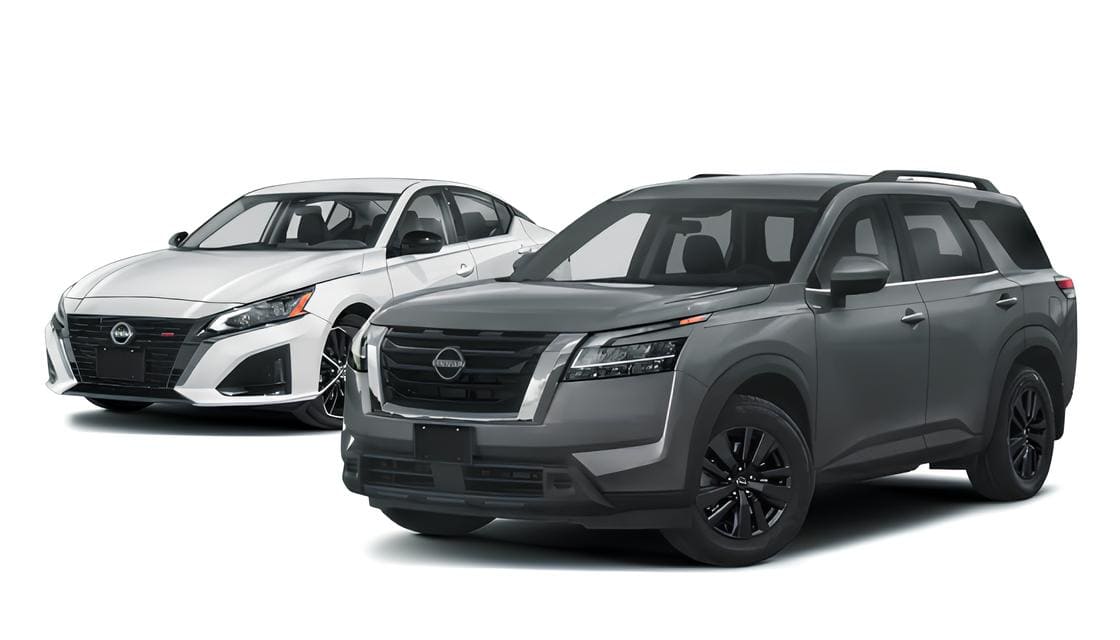
Nissan vehicle

Nissan is one of the best-selling automotive brands in the US, which means the used market is full of options at every price point and with every kind of history. Before you buy, run a Nissan VIN Decoder check with Zilocar. You get accident history, title brands (salvage, flood, rebuilt, lemon), odometer records, theft status, open recalls, auction photos, and ownership history from 100+ verified sources including NHTSA, NICB, and DMV records from all 50 US states. Know what you are buying before you commit.

What Is a Nissan VIN Number?

A Vehicle Identification Number (VIN) is a unique 17-character code assigned to every Nissan manufactured after 1981. It acts as a permanent record identifier, connecting the vehicle to every title transfer, insurance claim, recall notice, and inspection report filed against it throughout its life. Each section of the code carries specific meaning:

  • Positions 1 to 3 (WMI): Manufacturer and assembly country. US-built Nissans assembled in Smyrna, Tennessee or Canton, Mississippi carry the prefix 1N4 (cars) or 5N1 (SUVs and trucks). Japan-built models begin with JN1 or JN8. Two Nissan Rogues of the same model year can therefore have noticeably different VIN openings depending on where they were produced.

  • Positions 4 to 8 (VDS): Body style, engine type, model line, and restraint system.

  • Position 9: A check digit that validates the VIN mathematically. A mismatch is a clear indicator of possible fraud or VIN tampering.

  • Position 10: Model year. Recent codes: K=2019, L=2020, M=2021, N=2022, P=2023, R=2024, S=2025.

  • Positions 12 to 17: The unique production sequence number that makes every Nissan VIN globally distinct.

What Does a Nissan VIN Code Decoder Reveal?

A Nissan VIN Code Decoder surfaces the documented history that sits behind any used Nissan listing. Sellers rarely volunteer this information. A full Zilocar report covers:

  • Accident and damage history: Reported collisions, damage severity, and airbag deployment records. Nissan is one of the most common brands in salvage and insurance auction data, making this check especially valuable.

  • Title brands: Salvage, flood, rebuilt, lemon law buyback. Tracked across all 50 US states, so a branded title follows the vehicle even if it has been resold across state lines since the incident.

  • Odometer records: Mileage verified at every recorded title transfer, inspection, and auction entry. Given the volume of used Nissans on the market, odometer discrepancies are not uncommon.

  • Ownership history: Number of prior owners, rental or fleet use, and the length of each ownership period.

  • Theft and NICB records: Confirms the vehicle has not been reported stolen or flagged as unrecovered in national databases.

  • Open safety recalls: Live NHTSA recall data. Nissan has been significantly affected by the Takata airbag recall, one of the largest in automotive history, and has issued additional recalls across multiple model lines.

  • Auction photos: Real pre-sale condition images including damage notes and assessor observations that never appear in dealer or private listings.

  • Lien and finance records: Identifies any active finance agreements on the vehicle. Buying a car with an outstanding lien means the lender retains a legal interest that can survive the sale.

Why You Should Decode Nissan VIN Before Every Used Purchase

The volume of used Nissans on the market is both an advantage and a risk. There are plenty of genuinely solid examples to choose from, but the sheer number of vehicles in circulation also means more opportunities for misrepresentation to go undetected. Nissan models are among the most commonly seen vehicles at salvage auctions, in flood damage records, and in odometer fraud cases. A clean exterior and a low asking price can mean a good deal or a serious problem. The VIN record tells you which.

Decode Nissan VIN data before you arrange a viewing. It takes a matter of seconds and gives you the verified facts you need to buy confidently or move on quickly.

Nissan Models Worth Running a VIN Check On

Every used Nissan is worth checking regardless of model, age, or price. With such a broad range of vehicles across cars, SUVs, trucks, and performance models, the types of issues that come up vary by segment. Here are the models where a VIN check most frequently makes a difference.

Nissan Rogue and Rogue Sport. The Rogue is consistently one of the best-selling SUVs in the US, which makes it one of the most common vehicles in flood damage and salvage records following major weather events. It is also assembled in both the US and Japan, so buyers sometimes encounter unfamiliar VIN prefixes on otherwise identical-looking models. A Nissan VIN Decoder confirms assembly origin and surfaces the full history in one check.

Nissan Altima and Sentra. Both are high-volume models with deep used car market penetration. Rental fleet history, odometer discrepancies, and undisclosed accident damage are the most common issues flagged on used Altima and Sentra listings. Given that these are often purchased as practical, everyday vehicles, buyers deserve to know exactly what they are getting into.

Nissan Frontier and Titan. Used pickup trucks carry their own set of history concerns, including commercial or heavy-duty use, towing-related wear, and frame damage that can be difficult to spot visually. The VIN check is especially useful for confirming ownership history and flagging any title brands before purchase. Note that the VIN on Nissan trucks also appears on the frame rail, so always cross-check all locations.

Nissan GT-R and 370Z. Performance models attract buyers who want the full picture on track use, modification history, and any incidents the car may have been involved in. These vehicles command strong prices and attract motivated sellers. Running a Nissan VIN Code Decoder check before viewing any GT-R or 370Z is simply non-negotiable.

The same applies across the full Nissan lineup. Whether you are looking at a Murano, a Pathfinder, an Armada, a Kicks, a Leaf, or an Ariya, the Nissan VIN Decoder delivers the same verified history on every model manufactured after 1981.
Nissan VIN Decoder: Frequently Asked Questions

Where is the VIN located on a Nissan?

On most Nissan models the VIN is found at the lower-left corner of the dashboard, visible through the windshield from outside the car. You will also find it on the driver's door jamb sticker, stamped on the engine block, and printed on the title, registration, and insurance documents. On Nissan trucks including the Frontier and Titan, the VIN also appears on the frame rail. Always verify that the VIN is consistent across all locations before proceeding with any purchase. A mismatch or sign of tampering is a serious red flag that warrants further investigation.

What does a Nissan VIN Decoder tell you that a visual inspection cannot?

A visual inspection shows you the current condition of the vehicle. A Nissan VIN Decoder shows you its full recorded history. Nissan vehicles cover a wide price range and attract buyers at every budget level, which means the effort invested in concealing a difficult history varies considerably from seller to seller. Title brands, insurance write-offs, salvage auction records, and DMV data cannot be cleaned up or painted over. The VIN report is the only way to access that information before handing over any money.

Do Nissan VINs differ between US-built and Japan-built models?

Yes. US-assembled Nissans built in Smyrna, Tennessee or Canton, Mississippi carry the prefix 1N4 for cars or 5N1 for SUVs and trucks. Japan-built Nissan models begin with JN1 or JN8. Buyers sometimes encounter a VIN prefix they do not recognize and question whether the vehicle is genuine. The difference simply reflects where the car was assembled and has no bearing on quality or specification. A Nissan VIN Decoder confirms the assembly plant and pulls the full history regardless of production origin.

Does the Nissan VIN check cover electric models like the Leaf and Ariya?

Yes, fully. Zilocar supports all Nissan electric and hybrid models including the Leaf, Ariya, and any future EV additions to the lineup. As early Leaf models in particular continue to age into the used market, checking for open recalls, title status, and incident history is increasingly important for buyers considering a used Nissan EV. The decode Nissan VIN process is identical for every model. Just enter the 17-character code to get your report.

Can I check for outstanding finance or liens on a Nissan?

Yes. Zilocar reports include lien and finance records where available. A private sale does not automatically discharge an existing finance agreement on a vehicle. If the previous owner still owes money to a lender, that lender retains a legal claim on the car. That claim does not transfer with ownership and the vehicle can be repossessed even after you have paid for it. A quick VIN check before purchase is the simplest way to protect yourself.

How do I read a Nissan VIN number?

A Nissan VIN follows the global 17-character standard. Positions 1 to 3 identify the manufacturer and assembly country (1N4 or 5N1 for US-built models, JN1 or JN8 for Japan-built models). Positions 4 to 8 encode the model line, body style, and engine type. Position 9 is the check digit used to validate authenticity. Position 10 gives the model year (K=2019, L=2020, M=2021, N=2022, P=2023, R=2024, S=2025) and position 11 identifies the assembly plant. Positions 12 to 17 form the unique production sequence number. Reading the VIN confirms the original factory specification. To uncover the full history of what happened after the car left the factory, run it through a Nissan VIN Decoder like Zilocar.

Why do two Nissans of the same year have different VINs?

Positions 12 to 17 of every VIN form a unique production sequence number, ensuring no two vehicles share the same code. Two Altimas built on the same day at the same plant will carry different VINs and may have entirely different histories. One might have a single careful owner and a clean record. The other might have passed through several owners, been involved in an accident, or spent time in a rental fleet. The model does not tell you the story. The VIN does. Always run a Nissan VIN check on the specific vehicle you are considering.

How do I know if a Nissan has been in a flood?

A Nissan VIN check from Zilocar identifies flood damage through title brand records, salvage auction history, and insurance total-loss filings. When an insurer declares a flood-damaged vehicle a total loss, a flood brand is recorded against the VIN at state level and follows the car even if it changes hands across state lines. Nissan SUVs including the Rogue and Pathfinder are frequently seen in post-hurricane salvage sales. Be cautious with any listing that seems underpriced for the model and year, or shows signs of water ingress such as musty smells, stained upholstery, or rust in unusual locations. The Zilocar report will show the title brand regardless of how well the vehicle has been presented.

How accurate is a Nissan VIN Code Decoder?

Zilocar draws on 100+ verified data sources including NHTSA, NICB, and all 50 US state DMVs, making it one of the most thorough Nissan VIN Code Decoder tools available. As with any vehicle history service, incidents that were never reported to an insurer or state authority will not appear in the data, so minor unreported damage may not be captured. A VIN check is most effective as part of a broader process that includes a physical inspection and, for higher-value models like the GT-R or Armada, an assessment from an independent Nissan specialist.

About NISSAN

Nissan, a major player in the automotive industry, offers a wide array of vehicles including the all-electric Leaf hatchback and the full-size Titan pickup, complemented by its luxury division, Infiniti. Originating in Japan in 1933 and initially selling under the Datsun brand, Nissan gained popularity with models like the Datsun 510 sedan and the 240Z sports car in the 1970s. In the 1980s, the company transitioned to the Nissan brand and introduced Nismo, its performance division. The 1990s saw initial successes with models like the 300ZX wane, leading to a range of less remarkable vehicles. A resurgence occurred in the early 2000s, driven by an alliance with Renault, revitalizing the brand with redesigned models and new introductions such as the 350Z, Armada SUV, and Titan pickup. Nissan's current lineup spans SUVs like the Kicks, Rogue, and Armada; sedans such as the Versa and Altima; and sports cars including the 370Z and GT-R. The truck segment features the Frontier, Titan, and Titan XD. Nissan's pioneering role in electric vehicles, highlighted by the Leaf and Ariya SUV, underscores its innovation focus. Despite some reliability issues with models like the Frontier and Pathfinder, Nissan is known for strong performance and fuel economy, largely due to its use of continuously variable transmissions, maintaining its reputation as a significant automotive manufacturer.

Nissan logo